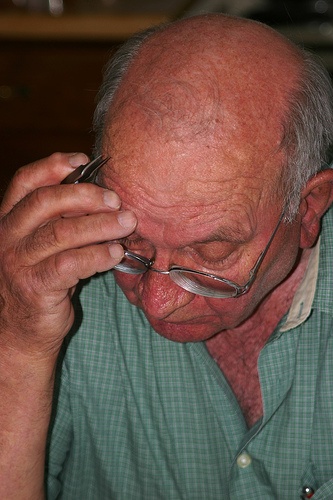
Traditionally, ethical wills were communicated from father to son in written form. Imagine today reading a document, in your father’s hand, expressing what in his life meant most to him – your father’s written legacy.
In his book Healthy Aging: A Lifelong Guide to Your Physical and Spiritual Well-Being, Andrew Weil, MD promotes preparing an ethical will as a “gift of spiritual wealth” to leave to family and asserts that the ethical will’s main importance is “what it gives the writer in the midst of life.” It clarifies identity, values and focuses on life purpose. Rachael Freed, MSW, LMFT, legacy consultant for Lifesprk and founder of Life Legacies in Minneapolis, believes it’s both a privilege and responsibility to record, communicate and preserve your family and community histories, document the experiences you’ve lived and the lessons you’ve learned that make you who you are. “Preserving your wisdom and your love establishes a link in the chain of generations, passes on a legacy for those of tomorrow’s world,” says Freed.
Different from a living will that outlines end-of-life wishes, an ethical will communicates and preserve our values, not valuables or material things. Why is this important to do? Picture that moment when you receive your father’s favorite watch that he left you as a 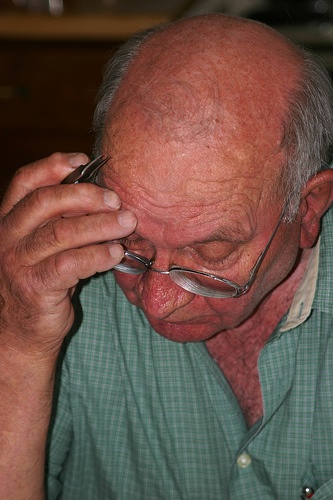 wonderfully cherished gift, now imagine you are handed a letter, written in his hand from his heart blessing you and sharing about his life and what you meant to him. The letter may not hold the same market value as a finely crafted watch, but its impact is more precious.
It’s hard for me to imagine my father writing me and my siblings’ letters about what he finds meaningful. I would love to read his thoughts on life as a child, growing up in his era and his hopes and goals for future generations – especially mine and his grandchildren’s. Telling him about the ethical will and how much we’d cherish his letter may be the spark he needs.
But where do we start? Freed offers a few suggestions to get us started:
- It helps to use the letter format…start with Dear (name the loved one(s) you are writing to)
- Choose a topic (a story, a snapshot of your history, an expression of love), set your timer, and write for just 15 minutes
- Your letter doesn’t have to be perfect. This is a personal letter from your heart. Don’t worry about punctuation or syntax. This letter isn’t for publication.
- To edit: Ask yourself: Have my words conveyed my message clearly?
- Imagine yourself receiving the legacy letter. Read it aloud to yourself; ask yourself how you’d respond to receiving this gift letter from a loved one?
Freed’s web site, Life-Legacies, offers more detail about how to get started, appropriate topics to cover, sample legacy letters, and more information about ethical wills.
Many dads love history. I know mine does. Helping him write an ethical will enables him to share his history for generations to come. Families will value every story, every memory as they read and reread his words. And for those whose dads are no longer alive, you can capture your own memories of him as a great way to preserve the man he was, to live on in the lives ahead.
Join the conversation: What are other ways you are honoring your dad this Father’s Day? Have you ever read or written a legacy letter? If so, what did you experience while reading or writing it?